Horse Fencing 101: Best Practices for Equine Safety
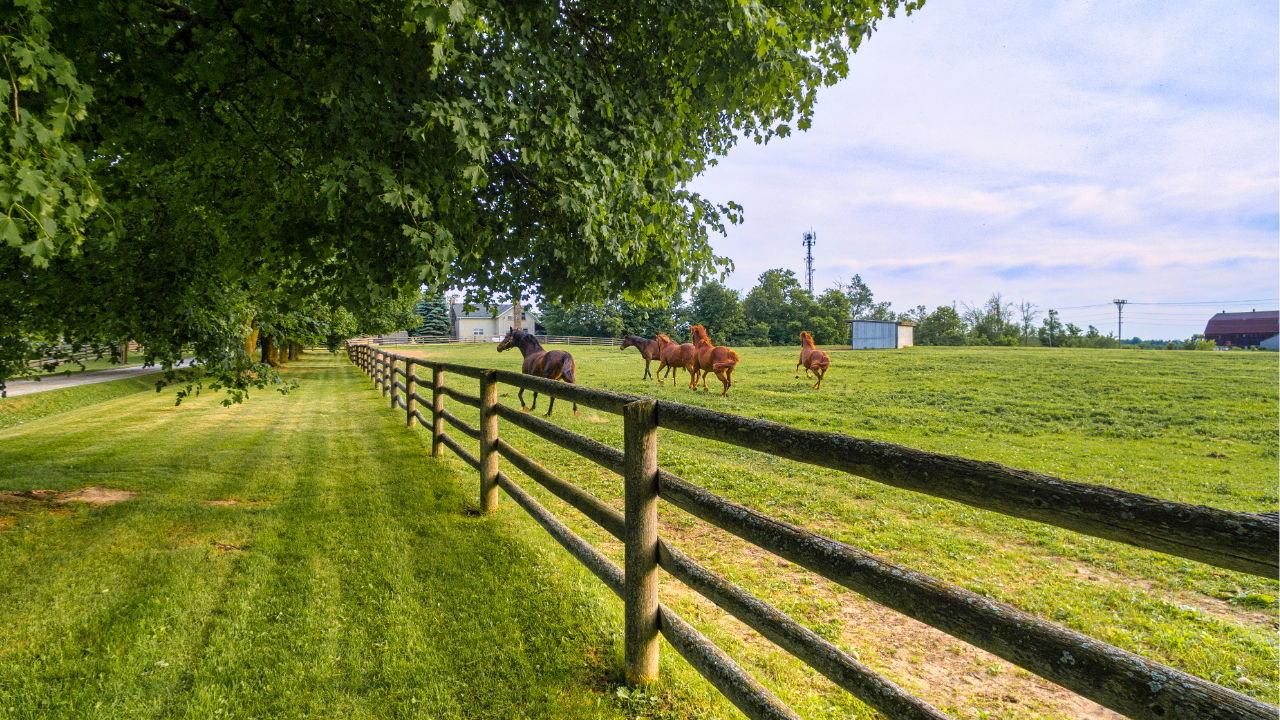
When you’re caring for horses, your fence isn’t just a line in the sand — it’s mission-critical infrastructure. Think of it as the four-legged equivalent of a corporate security perimeter. At Chafin Fence LLC, we take that responsibility seriously. A well-built horse fence keeps your equine partners safe, your pastures peaceful, and your worries off the payroll.
Before we dive in, if you’re exploring broader fencing solutions, our full portfolio is always available on our Home and About pages — plus plenty more in our Blog.
Why Proper Horse Fencing Matters
A fence for horses is more than a boundary — it’s a safety strategy. The right structure prevents escape attempts, injury risks, and unwelcome visitors. And let’s be honest: a happy horse is a lot easier to manage than one that’s roaming your neighbor’s property like it owns the place.
If you’ve ever tackled home fencing projects, you'll appreciate the parallels from our popular posts like The Ultimate Guide to Residential Fence Installation and Fence Maintenance Tips Every Homeowner Should Know — safety and structure are always top priorities.
What Makes a Horse-Friendly Fence: Key Principles
1. Safety First — Avoid Risky Materials
Horses don’t need barbed wire anywhere near them — they’re big, curious, and easily startled. Barbed wire or thin, nearly invisible wires are a fast track to vet bills. Opt instead for smooth wood, PVC/vinyl, or clean-finished rail systems.
If you’re comparing materials, you may also appreciate our deep dives like Vinyl vs. Wood Fences and How to Choose the Right Fence Material for Kentucky’s Climate.
2. Height, Visibility & Design Matter
A good horse fence should be tall enough to discourage Olympic-level jumping attempts. High-visibility rails or fencing tape are essential; horses aren’t exactly known for their depth perception during a gallop.
Woven or mesh fencing is fantastic when installed correctly — just ensure the openings are small enough that hooves can’t slip through. No one wants a panicked horse performing unintended acrobatics.
3. Fence Type & Construction — What Actually Works
Here’s the short list of proven winners:
Post-and-rail (wood or vinyl): A classic choice for its strength and high visibility. Wood gives that timeless equestrian aesthetic, while vinyl keeps maintenance low.
Explore similar setups in our Residential Fencing and Farm Fencing services.Woven or horse-safe mesh: Excellent for preventing leg injuries, provided the tension is maintained. Durable, low-drama, and highly effective.
Electric tape or ribbon (as a supplement): A smart secondary barrier that boosts respect for fence lines — just keep it visible and properly installed.
If you're planning a mixed-use property or commercial area alongside your pasture, our insights on Commercial Fence Installation and Aluminum vs. Chain Link for Commercial Properties may come in handy.
Smart Layout, Maintenance & Paddock Design
Gate & Paddock Planning
Gates should be wide, smooth, and free of hardware that could snag a horse’s leg or halter. Skip complicated braces or weird angles — design your paddock like you design your workflows: simple, efficient, and incident-proof.
Avoid tight corners where horses might get stuck or spooked. Rounded layouts are not only safer but also future-proof your paddock design.
For general upkeep (because nothing ruins ROI faster than preventable repairs), you might also find value in posts like Top Signs Your Fence Needs Professional Repair or our dedicated Fence Repair page.
Regular Inspection & Maintenance
Even the strongest fence needs proactive oversight. Tighten mesh, replace damaged rails, check electric lines, and inspect drainage. A little routine diligence now prevents costly fences — and horse injuries — later.
Why Chafin Fence LLC Is a Smart Partner for Equine Fencing
Chafin Fence LLC doesn’t do cookie-cutter solutions. We build fencing systems that balance strength, longevity, aesthetics, and safety — a full lifecycle solution the horses will never thank you for, but definitely benefit from.
Whether you need traditional post-and-rail, mesh systems, paddock layouts, or strategic consultations, we're your go-to partner. Learn more on our Farm Fencing or Commercial Fencing pages — or simply reach out through Contact.
Final Thoughts
Building the right horse fence isn’t just a construction project — it’s a commitment to your horses’ wellbeing. With the right materials, a smart layout, routine maintenance, and a dependable partner like Chafin Fence LLC, you’re creating a safe, spacious environment where your horses can roam, graze, and live comfortably.
For more insights, fresh ideas, and fencing strategies, don’t miss our ongoing articles in the Blog — including favorites like: